Resource Guide
Yellow Jackets vs. Wasps
Learn how to tell common stinging insects apart, understand their behavior, and know when a nest may require caution or professional help.
Identification
Key Differences
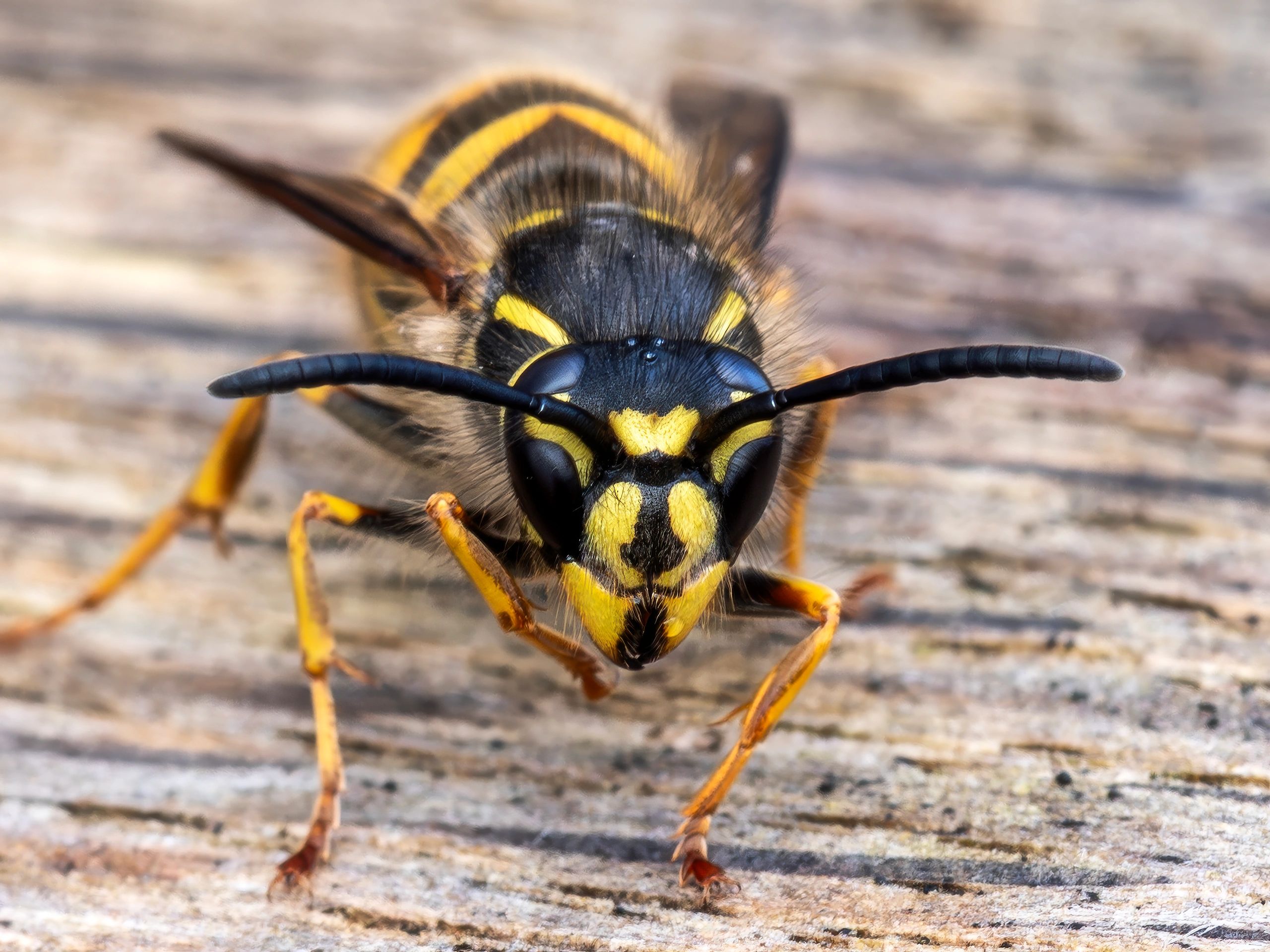
Yellow jackets and paper wasps are often confused, but their body shape, nesting habits, and behavior can help you identify them more accurately.
Safety
When To Be Concerned
A single foraging insect is usually not an emergency. Concern increases when you see repeated traffic to one location, a nest near entrances or play areas, or aggressive behavior around food, trash, or outdoor gatherings.
Do not block nest openings or spray unfamiliar insects without proper guidance. If stinging insects are nesting close to people, pets, or high-traffic areas, seek qualified local assistance and keep a safe distance.
Quick Guide
Helpful Field Notes
Use these practical cues when observing insects outdoors. Identification from a safe distance is usually enough for most homeowners and gardeners.
Look At The Legs
Paper wasps often let their long legs dangle in flight. Yellow jackets keep their legs tucked closer to the body.
Watch The Flight Path
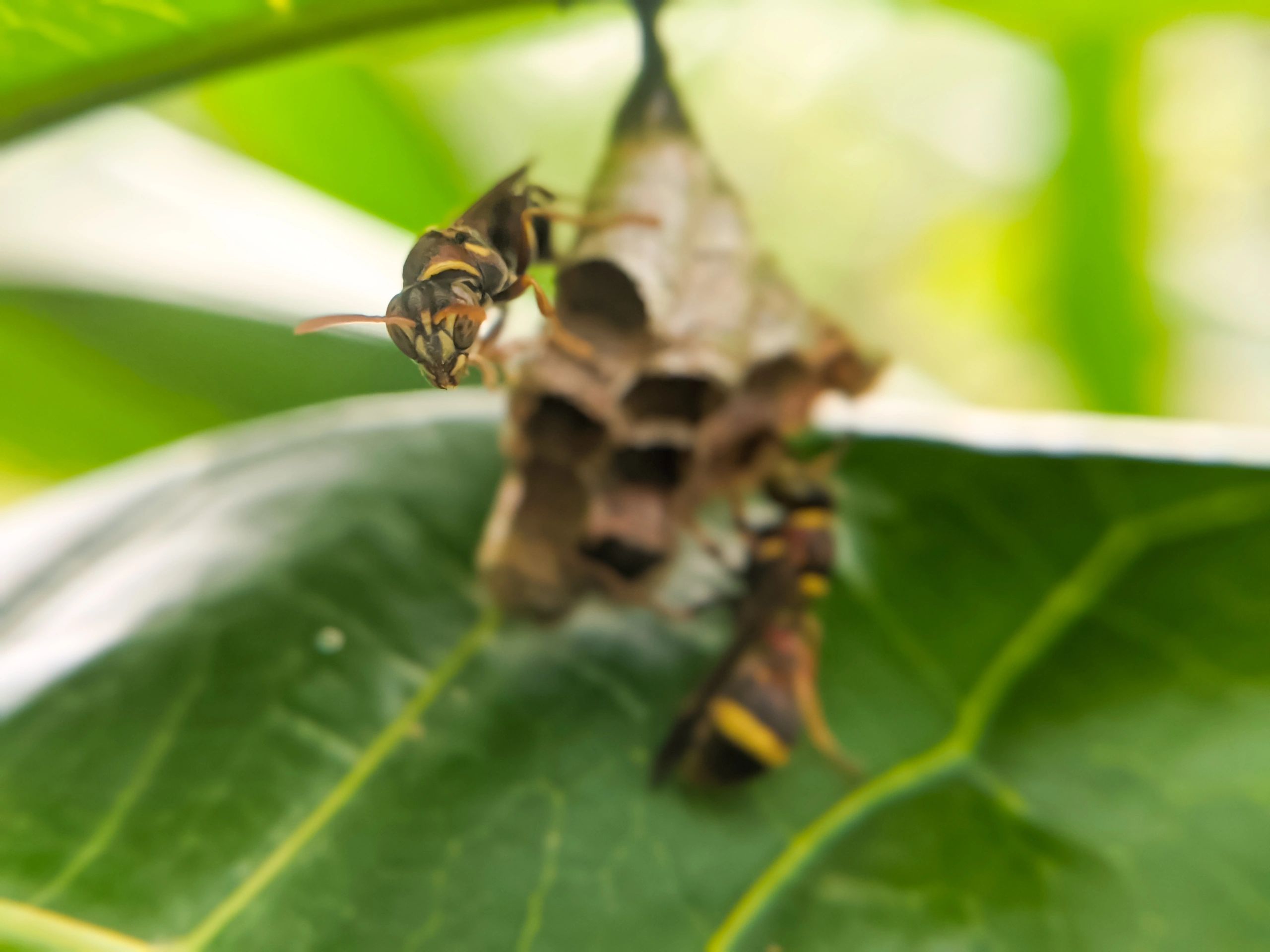
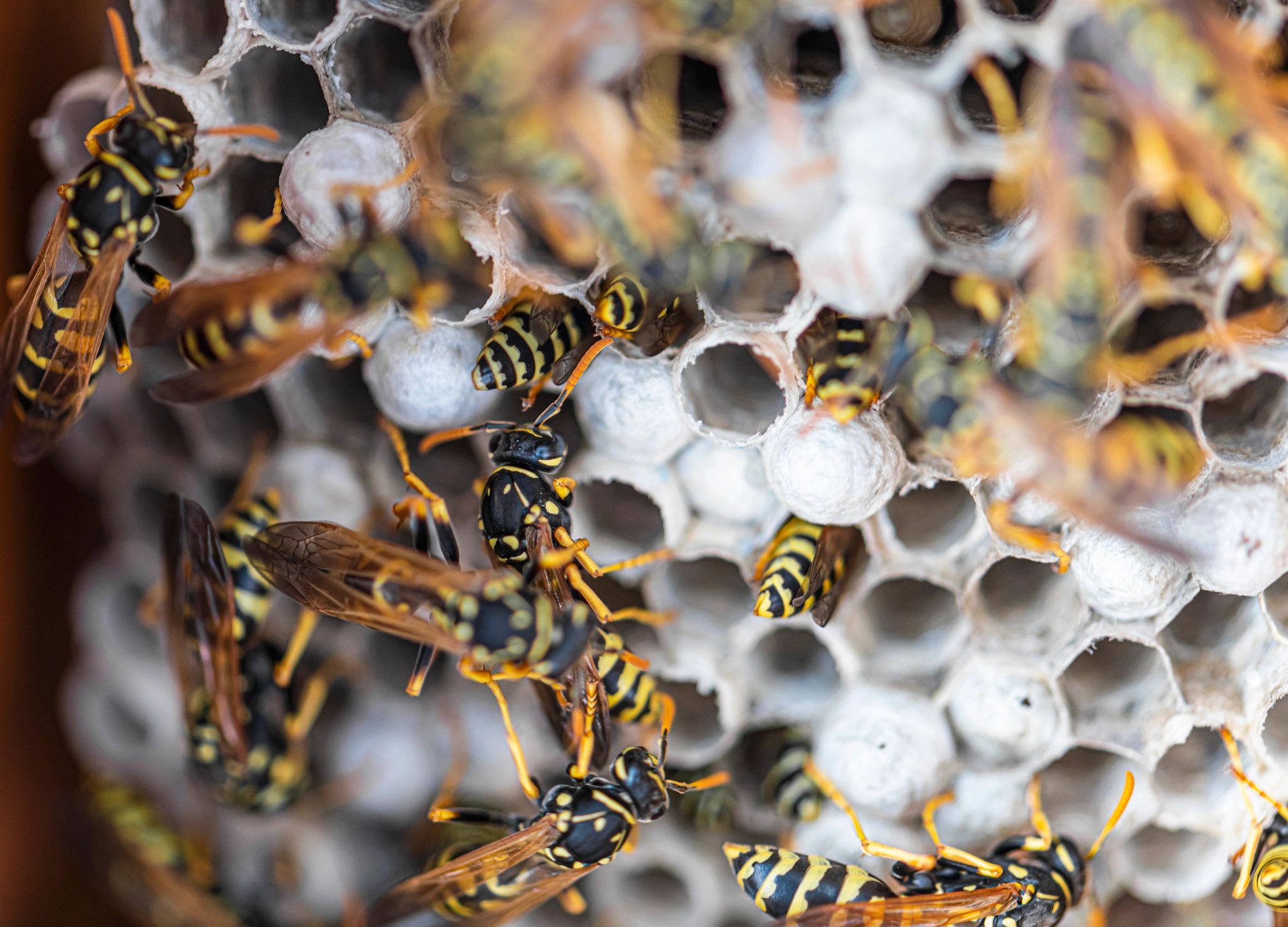
Repeated movement into a hole in the ground, siding, or a wall cavity may suggest yellow jackets. Visible comb nests under shelter often indicate paper wasps.
Notice Food Interest
Yellow jackets are strongly attracted to sugary drinks, fruit, and picnic foods. Paper wasps are less likely to swarm around outdoor meals.
Protect Pollinators
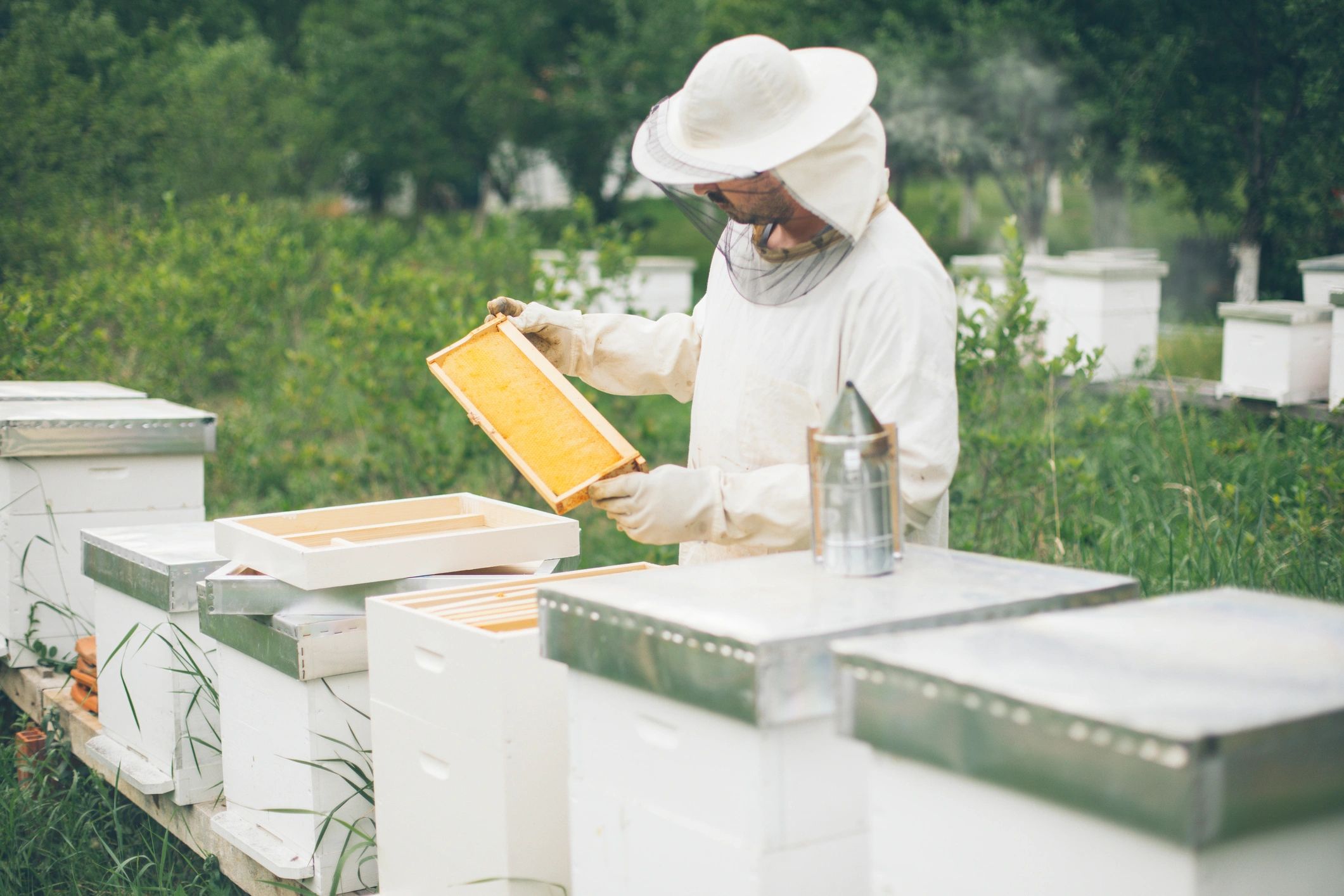
Honey bees and many native pollinators are beneficial insects. Accurate identification helps avoid harming species that support gardens, farms, and local ecosystems.